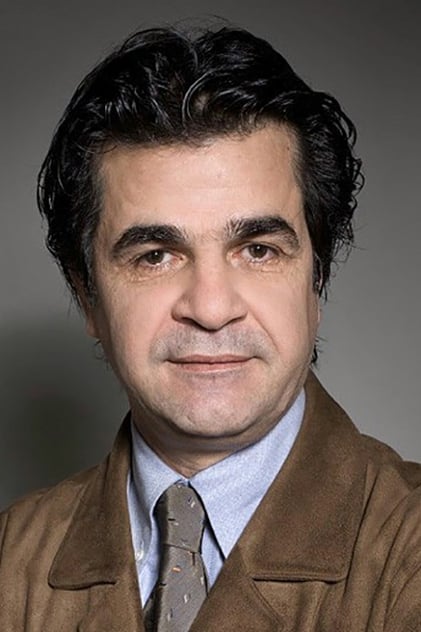
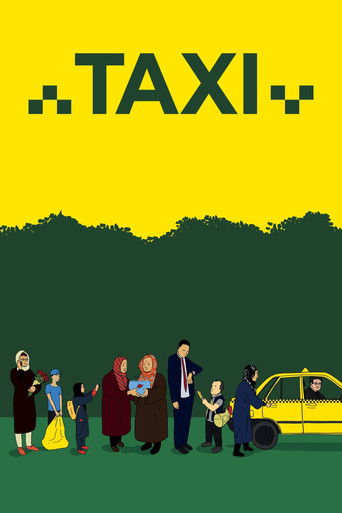
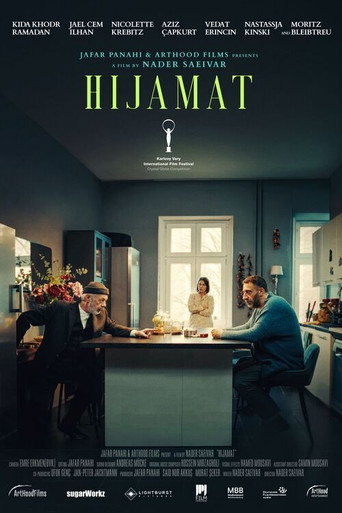
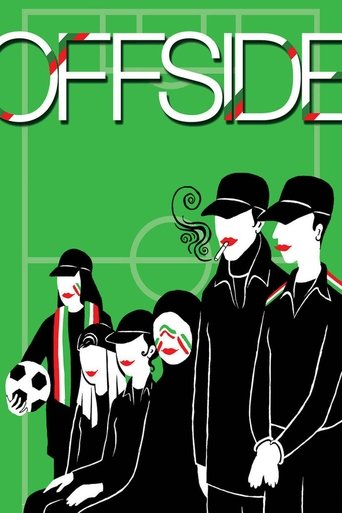
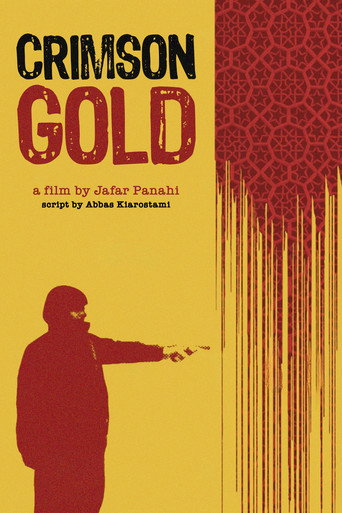
Jafar Panahi (born in July 11, 1960) is a representative of Iranian “New Wave.” He is one of the leaders of contemporary Iranian cinema. Panahi’s work, from his first attempts to discuss social issues to his later and braver discussions of taboo topics in Iran are a creative reflection on the nature of cinema and human society, and are imbued with humanity. In 2010, the court in Iran sentenced Jafar Panahi to six years in prison. In addition, according to the sentence, Panahi was banned from making films for 20 years, giving interviews to local and international media outlets, and leaving Ir…
Jafar Panahi (born in July 11, 1960) is a representative of Iranian “New Wave.” He is one of the leaders of contemporary Iranian cinema. Panahi’s work, from his first attempts to discuss social issues to his later and braver discussions of taboo topics in Iran are a creative reflection on the nature of cinema and human society, and are imbued with humanity. In 2010, the court in Iran sentenced Jafar Panahi to six years in prison. In addition, according to the sentence, Panahi was banned from making films for 20 years, giving interviews to local and international media outlets, and leaving Iran. Three Faces was his fourth film (after This Is Not a Film, Closed Curtain, and Taxi) shot after his arrest. The director did not attend the premiere due to being banned from leaving Iran. Panahi is a student of Abbas Kiarostami, whose influence is especially clear in Three Faces, reminiscent of such acclaimed masterpieces as The Wind Will Carry Us and Taste of Cherry.
Pick a source and a type, and we'll land you straight on something to watch.
Pick from
Type
We value your privacy
NEXUS uses cookies to keep you signed in and to understand how the site is used so we can improve it. Essential cookies are always on. You can accept all cookies or keep only the essential ones. See our Privacy Policy.